

From Pudu’s large-scale autonomous mowers to Keenon’s expansion beyond indoor environments, a growing number of robotics companies are targeting the lawns, parking lots, pathways and outdoor spaces surrounding commercial properties.
For years, commercial service robotics has largely been an indoor business. Autonomous scrubbers clean supermarket floors, delivery robots navigate restaurants and hotels, and mobile robots move goods through warehouses and factories. These environments are not necessarily simple, but they offer something outdoor environments rarely do: relatively predictable conditions.
Recent developments suggest that outdoor maintenance is emerging as an increasingly attractive segment of commercial service robotics. Established service robot manufacturers are introducing outdoor products, specialist startups are attracting investment, and established landscaping equipment companies are expanding their autonomous portfolios.
Pudu makes a major move into professional landscaping
One of the clearest signals comes from Pudu Robotics. Known primarily for its restaurant delivery robots and commercial cleaning machines, the Chinese manufacturer officially launched its PUDU GT Series in September 2026.
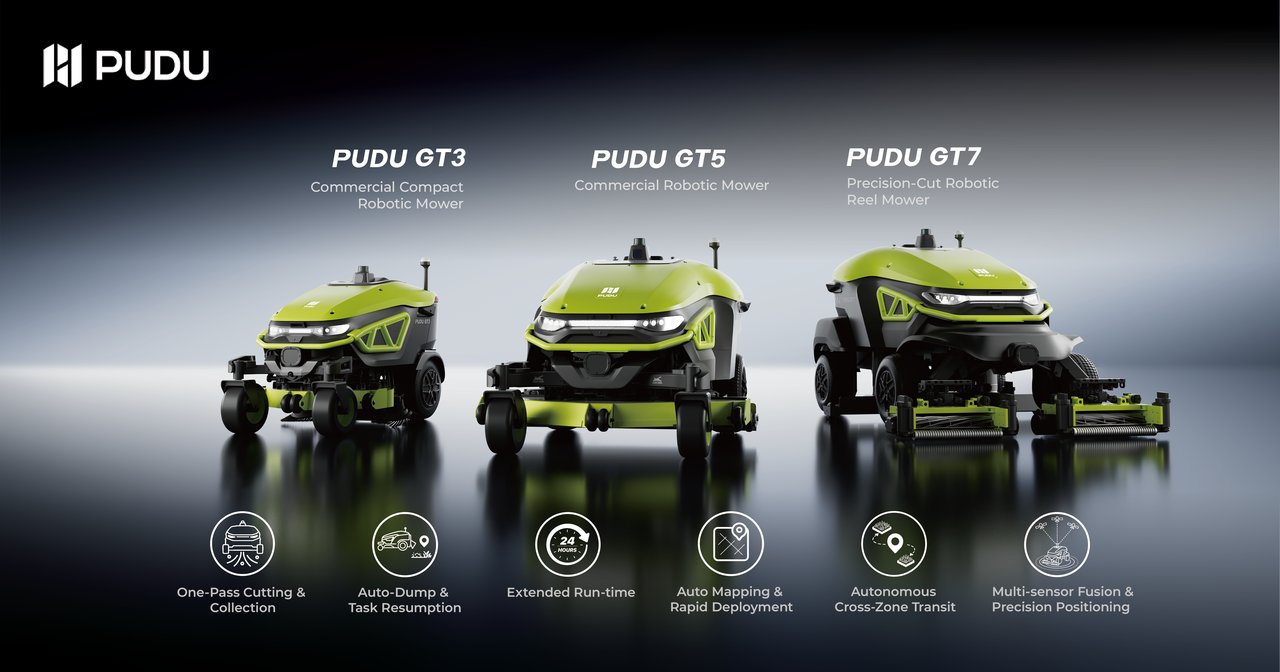
The range comprises three models — GT3, GT5 and GT7 — addressing different professional landscaping requirements, from mixed-use commercial properties to large lawns, golf courses and sports facilities. The company presented the series at GaLaBau 2026 in Nuremberg, one of Europe’s major landscaping trade exhibitions.
Keenon has already taken this step
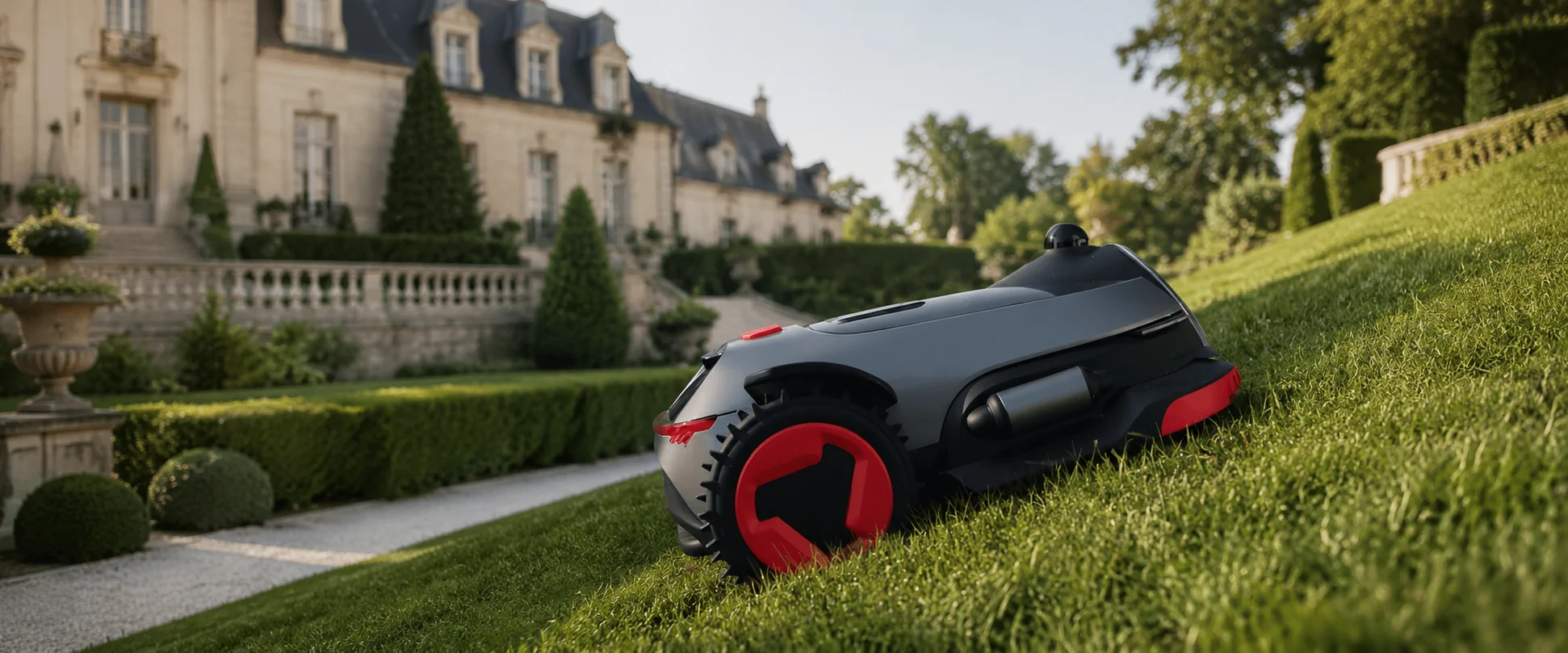
With the KEENMOW K1, Keenon had already taken this step, albeit with a device that, in both form and function, more closely resembles the robotic lawn mowers familiar from the consumer market.
Investment follows: Viabot raises $24 million
It was just a brief mention in the latest FieldBots Radar update, but one with significant implications: the successful Series A funding round of California-based startup Viabot.
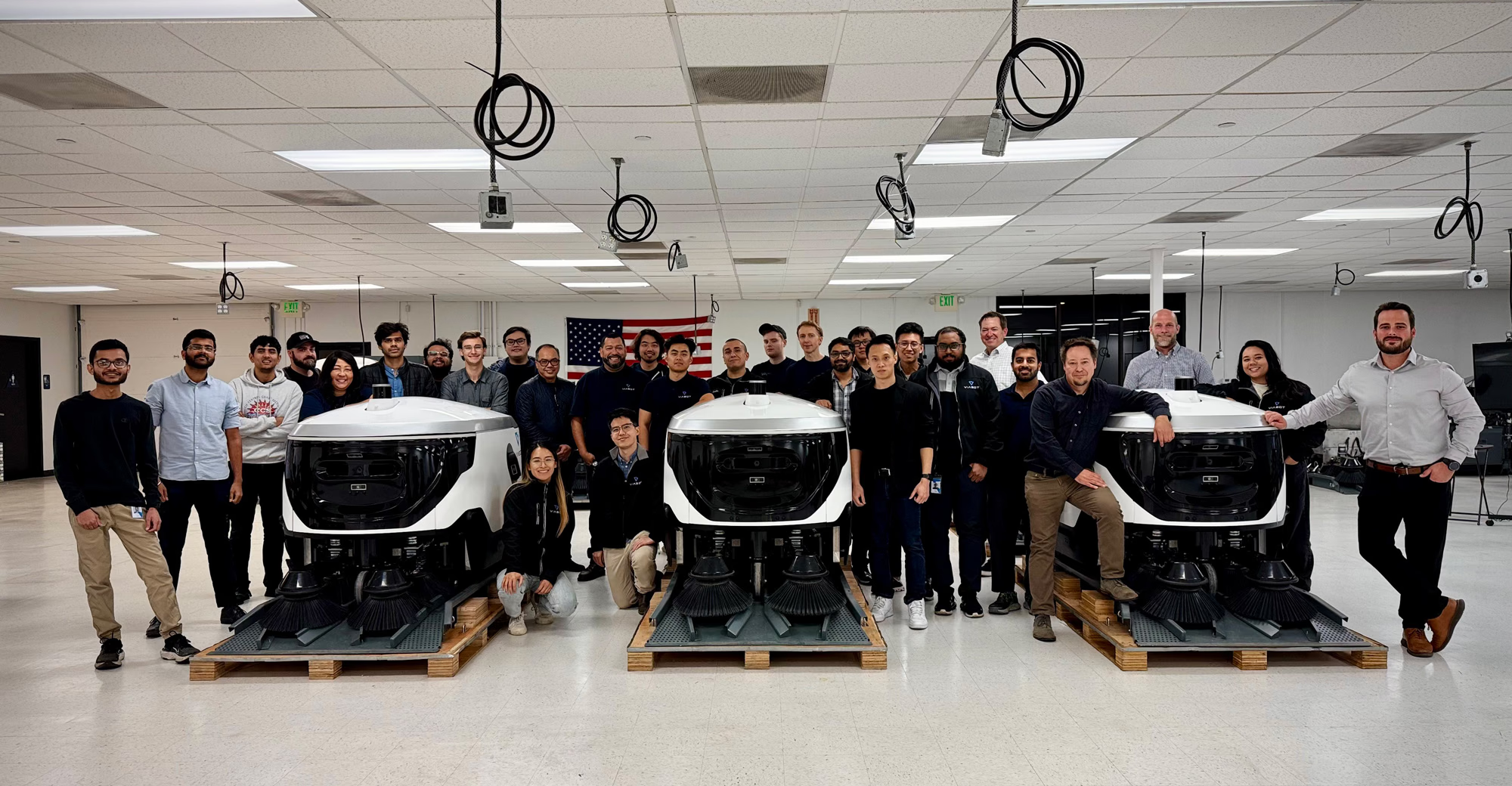
In September 2026, the company announced a $24 million Series A financing round led by Walden International, with participation from CDIB Capital Group and Stalwart Ventures, alongside existing investors. The financing brought its total reported funding to $43 million.
Unlike manufacturers focused primarily on lawn mowing, Viabot targets a broader range of commercial property maintenance tasks. Its Viabot One platform is designed for outdoor debris collection, sweeping and supplementary property monitoring.
According to the company, its robots service approximately 25 million square feet of commercial property, while its autonomy system has been trained using more than five billion square feet of real-world multimodal data. These are company-reported figures, but they indicate the scale of the operational experience Viabot is presenting to investors and customers.
The US and China Are Moving In – But Where Is Europe?
Europe is far from absent in outdoor robotics. In fact, some of the industry’s most established players are European. Sweden’s Husqvarna has been a pioneer in autonomous mowing for decades and now offers professional solutions for large green spaces, sports facilities and golf courses. 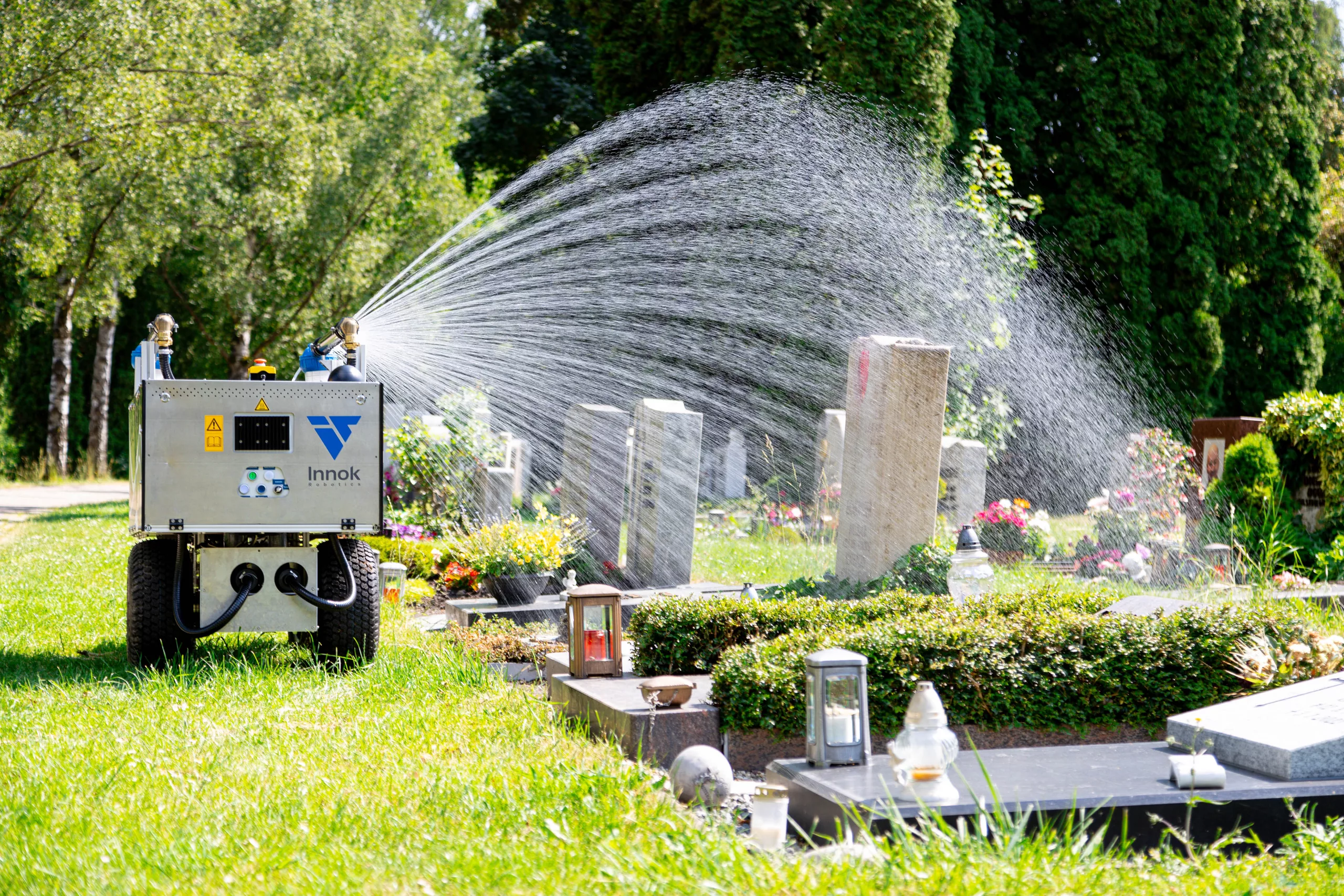
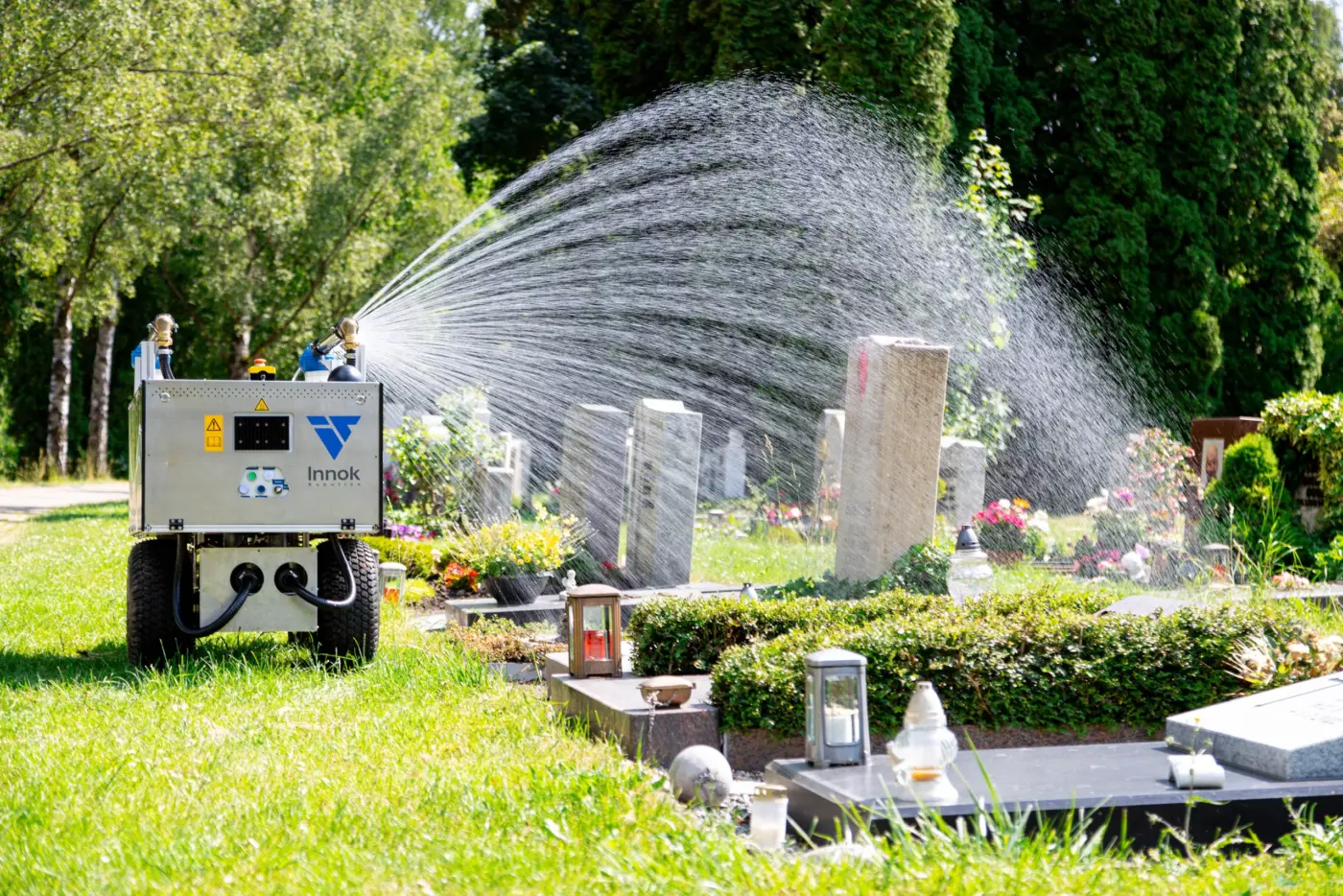
Germany’s Innok Robotics is taking a different approach with its RAINOS robot, automating irrigation and watering tasks in cemeteries and public green spaces.
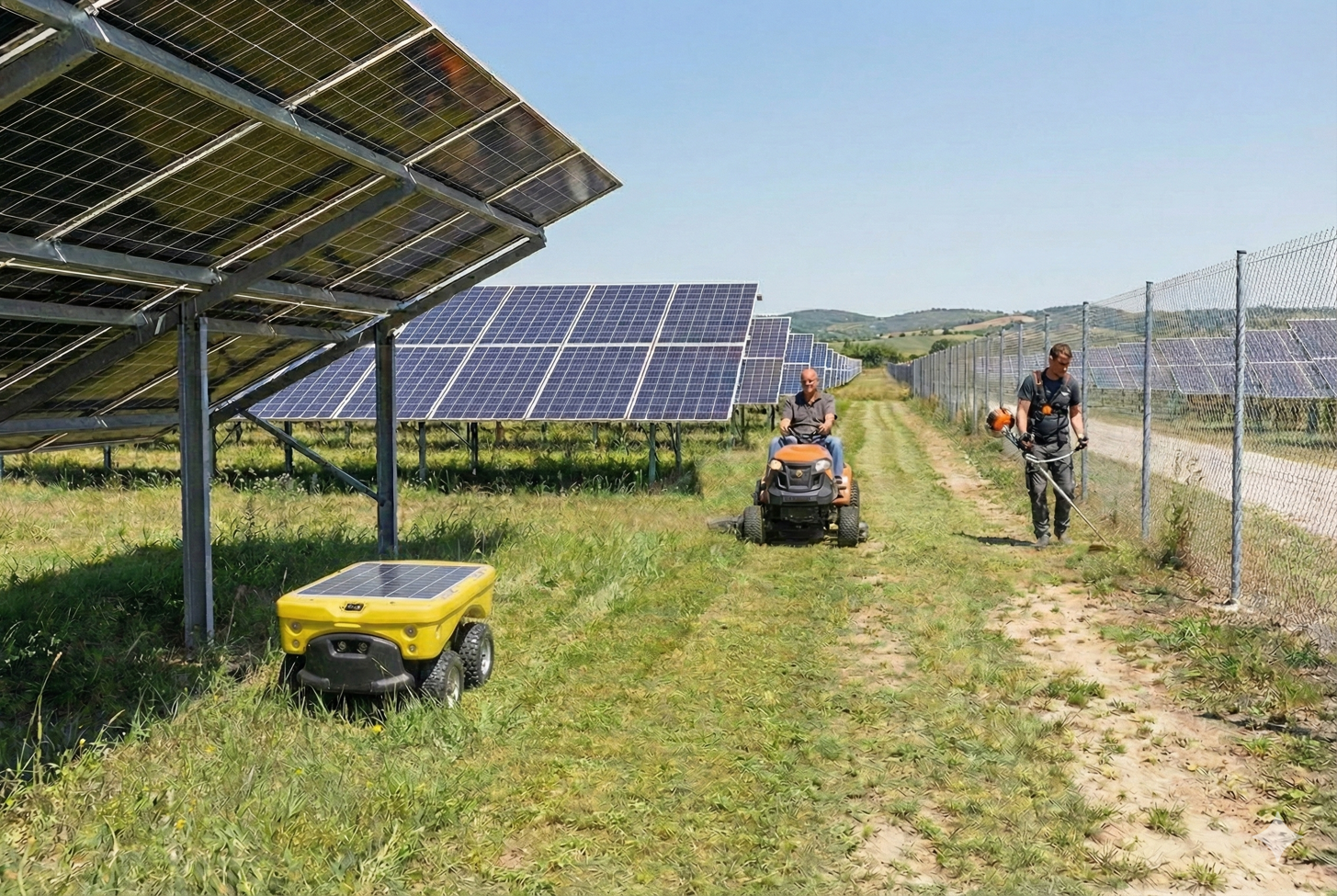
France’s Vitirover specializes in autonomous vegetation management for vineyards, solar farms and infrastructure sites.
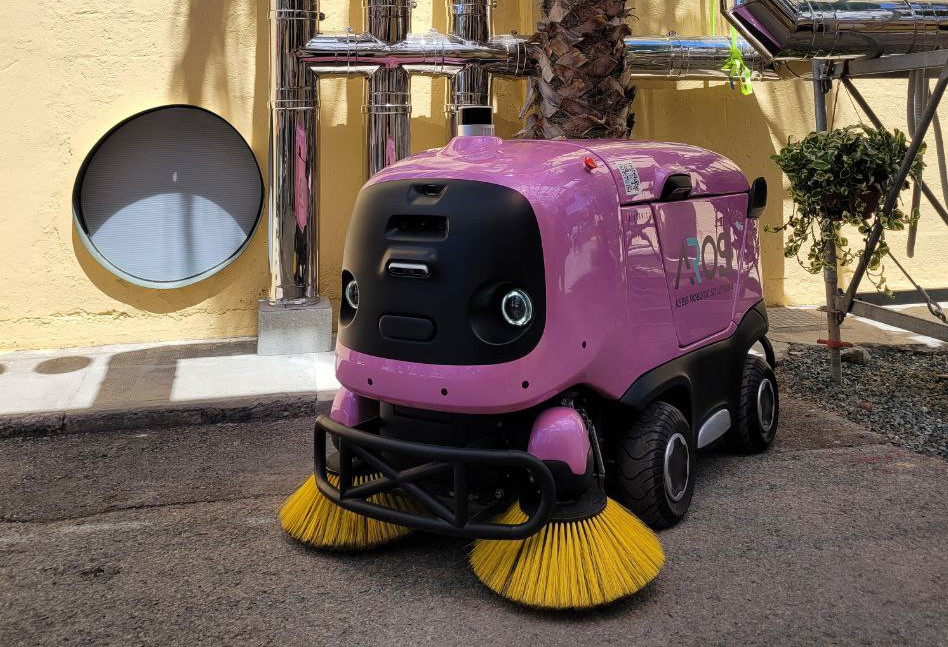
Meanwhile, Cyprus-based Autonomics Tech is addressing outdoor cleaning with autonomous sweeping solutions for pathways, parks, campuses and parking areas, combining robotics with fleet management and service integration. These examples show that Europe already has considerable expertise in outdoor automation.
However, while Chinese service robotics manufacturers are expanding into new outdoor applications and US startups are attracting significant investment, Europe’s activities remain spread across specialized applications and established equipment manufacturers. The interesting question is whether these strengths will evolve into broader, scalable platforms for autonomous outdoor maintenance.